Details

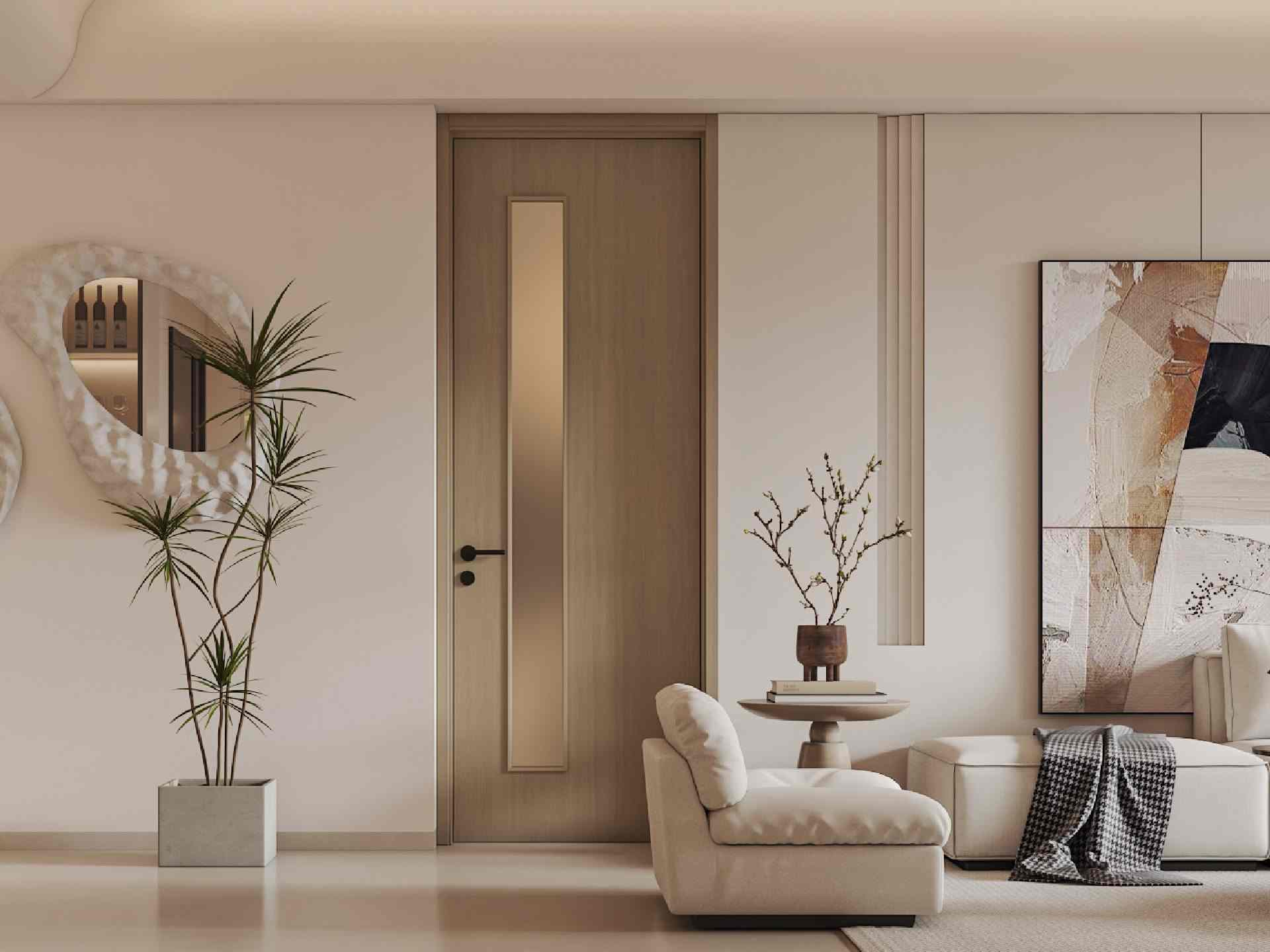
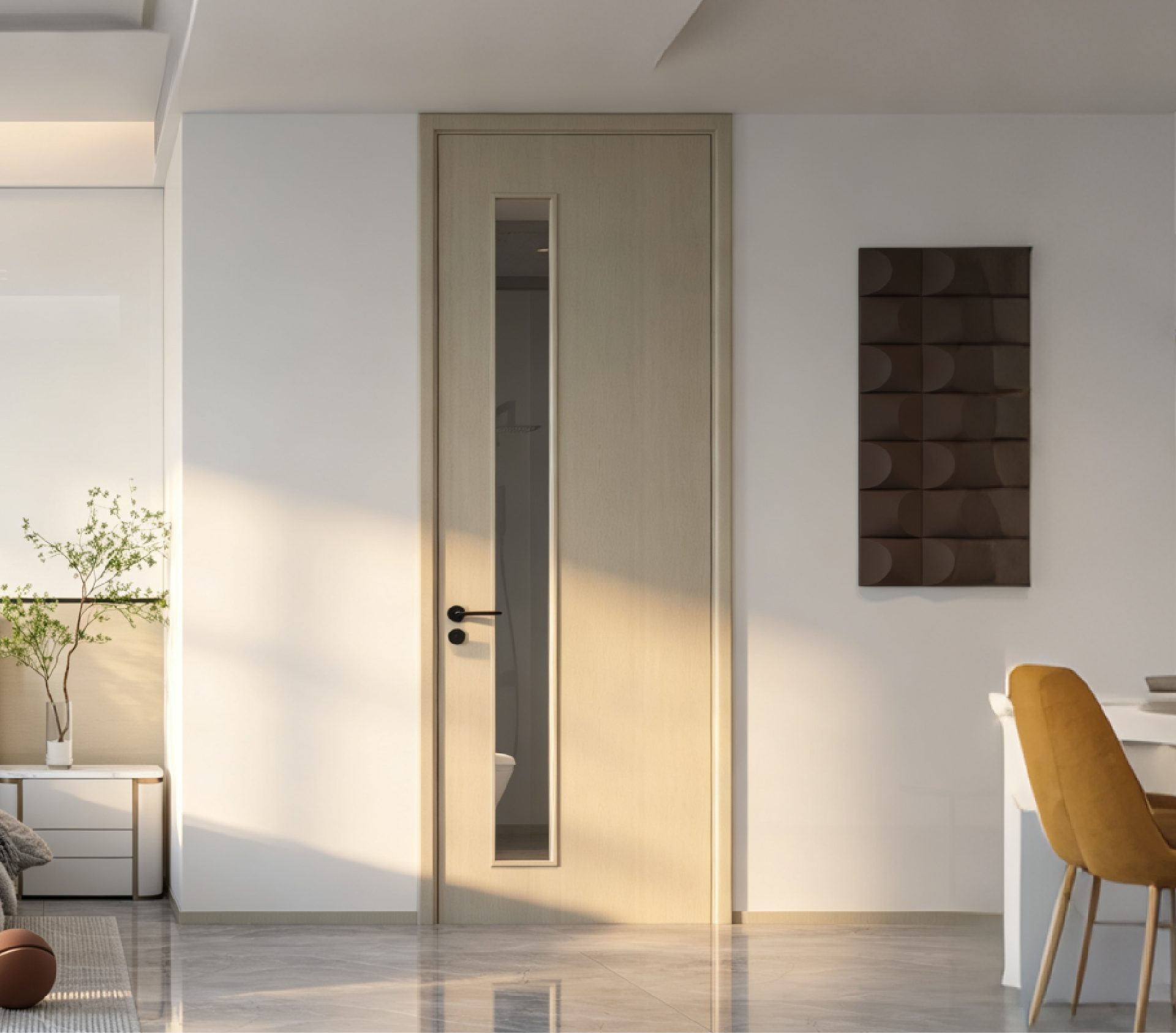
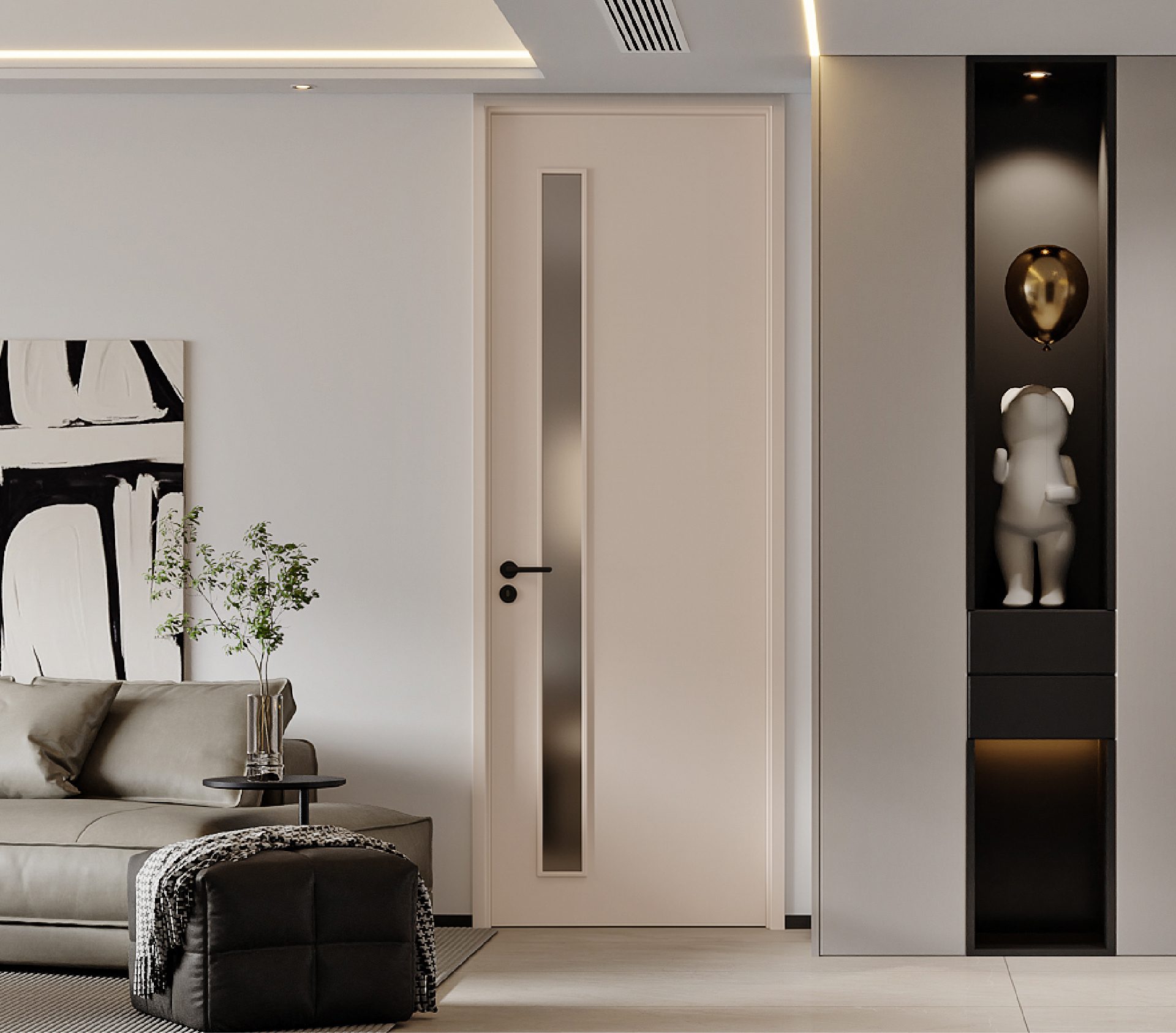
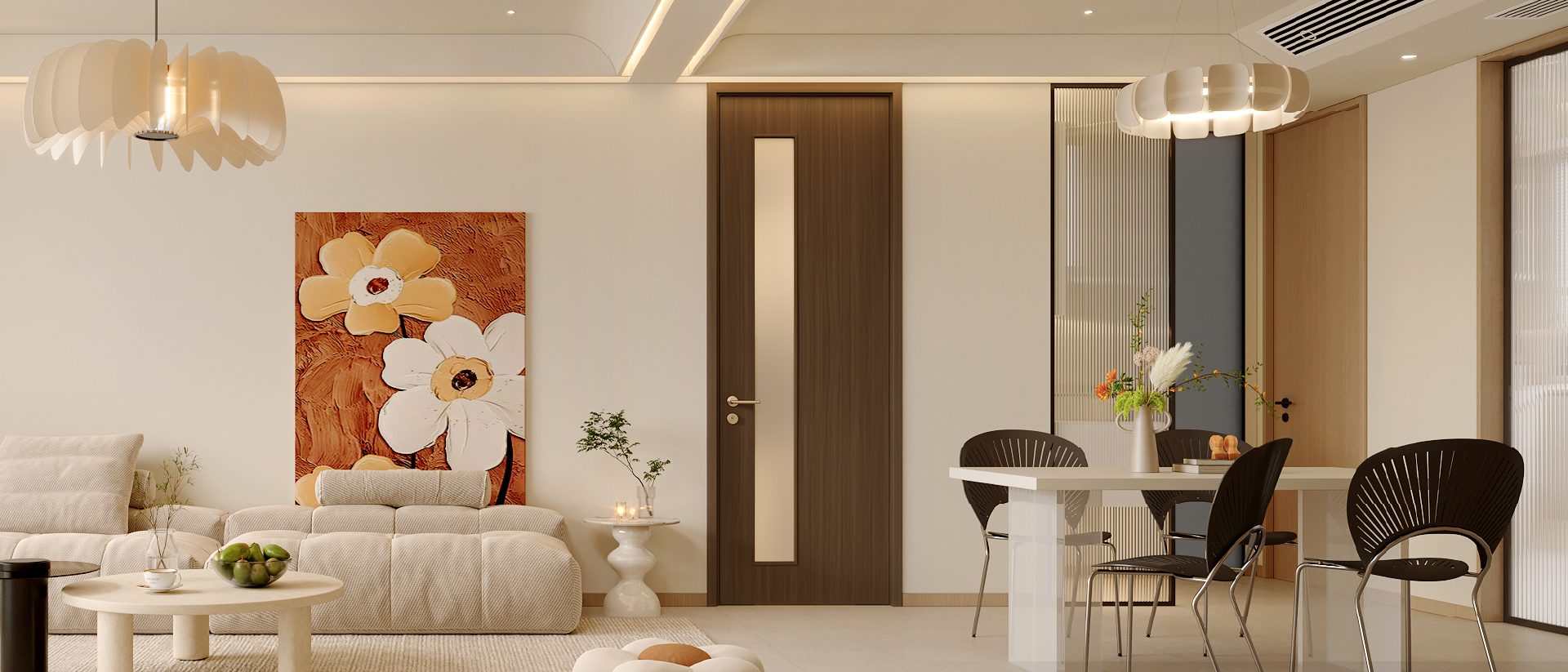
Light Wood Straight Grain PVC Interior Door with Glass
 

SUPERUS coordinates custom doors, wall panels and cabinetry within one spatial language.
Product combinations, finishes, dimensions and functional requirements are confirmed according to each project.

Key Features:

A Narrow Vertical Window, Quietly Borrowing Light
This door sets a slim, vertical frosted glass lite into the left side of a light natural-oak door — a thin seam of light that brings daylight from the kitchen or bathroom into smaller spaces without letting them feel cramped. The frosted glass lets light through while keeping privacy; outside, only soft shapes pass, never detail. The oak tone fits naturally into warm, cream-toned interiors.

Vacuum-Membrane PVC Lamination, Grain Running True
The engineered-wood leaf is wrapped in a premium PVC film that renders the straight oak grain warm and convincing; front, back and edges are one seamless wrap, and the narrow glass lite is finished with neat, refined edges. Paint-free, low in formaldehyde and VOC, with no on-site painting odour. The moisture-resistant film suits humid kitchens, bathrooms and walk-in wardrobes — water spots and splashes wipe away in seconds.

Light Comes In, You Stay Relaxed
Push into the bathroom in the morning and the frosted window softens the incoming light — gentle, never intrusive. Dressing in the walk-in wardrobe, you still borrow natural daylight. A matte-black split lever pairs quietly with the wood for a warm, restful feel. The heavy leaf swings solid and quiet, muffling sound as it closes.

Effortless Daily Care
Wipe panel and glass together, and keep the surface clear of sharp scratches and direct heat. A matching frame keeps the wood tone unified. A narrow vertical glass lite balances borrowed light with privacy — a warm, practical choice for kitchens, bathrooms and wardrobes, and a consistent fit across apartments and homes. Because the lite is narrow, the door keeps most of its solid, wood character while still letting light pass, striking a gentle balance between privacy and brightness that suits narrow hallways and small bathrooms far better than a fully glazed panel would.

RECOGNITION

Honors & Certifications

A selection of honors published by the official SUPERUS brand website.

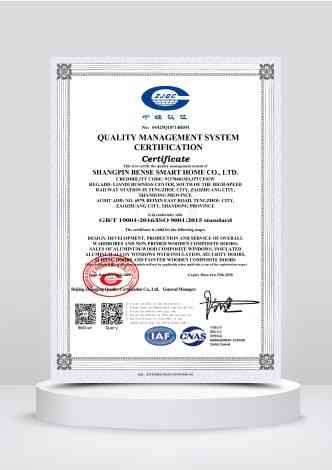
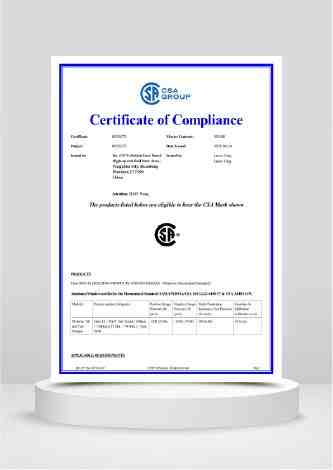
QUALITY MANAGEMENT SYSTEM CERTIFICATION
OFFICIAL HONOR

QUALITY MANAGEMENT SYSTEM CERTIFICATION

Design, development, production & service of whole wardrobes & unpainted wood composite doors; sales of aluminum-wood composite windows, insulated alloy windows, security doors, sliding doors & painted wood composite doors

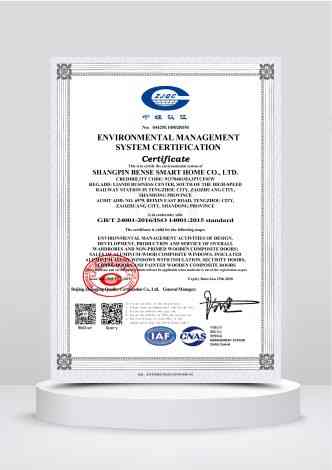
Environmental Management System Certification
OFFICIAL HONOR

Environmental Management System Certification

Environmental management for design, development, production & service of whole wardrobes & unpainted wood composite doors; sales of aluminum-wood composite windows, insulated alloy windows, security doors, sliding doors & painted wood composite doors

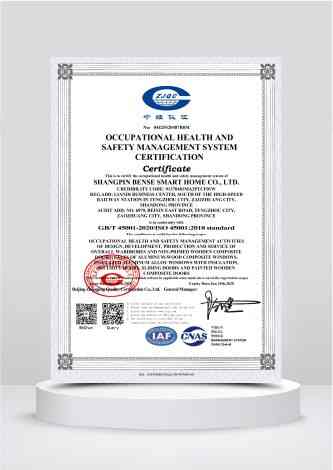
OCCUPATIONAL HEALTH AND SAFETY MANAGEMENT SYSTEM CERTIFICATION
OFFICIAL HONOR

OCCUPATIONAL HEALTH AND SAFETY MANAGEMENT SYSTEM CERTIFICATION

OHS management: design, development, production & service of whole wardrobes & unpainted wood composite doors; sales of alu-wood composite windows, insulated alloy windows, security doors, sliding doors & painted wood composite doors

Certification for Wooden Doors
OFFICIAL HONOR

Certification for Wooden Doors

OHS management: design, development, production & service of whole wardrobes & unpainted wood composite doors; sales of alu-wood composite windows, insulated alloy windows, security doors, sliding doors & painted wood composite doors

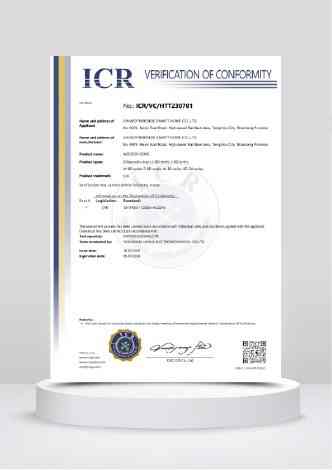
Certification for Wooden Doors
OFFICIAL HONOR

Certification for Wooden Doors

CPR conformity verification for wooden door, BD series & derivative product models

Certification for Aluminum Windows
OFFICIAL HONOR

Certification for Aluminum Windows

Compliance certified aluminum tilt & turn window (88 Series), meets North American building product standards

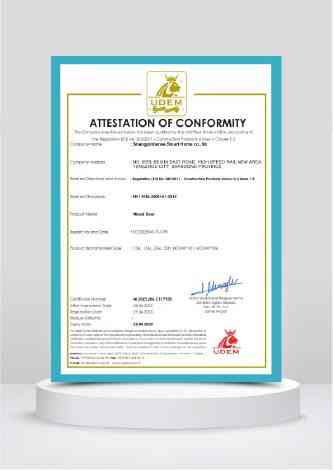
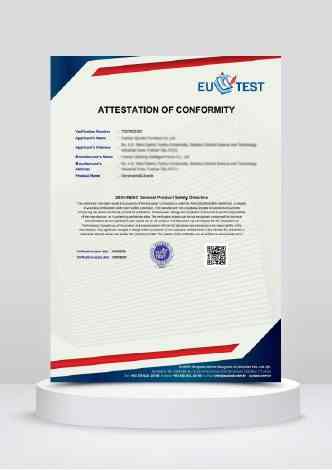
General Product Safety Certification
OFFICIAL HONOR

General Product Safety Certification

Product conformity attestation for wardrobes & closets under EU general product safety directive

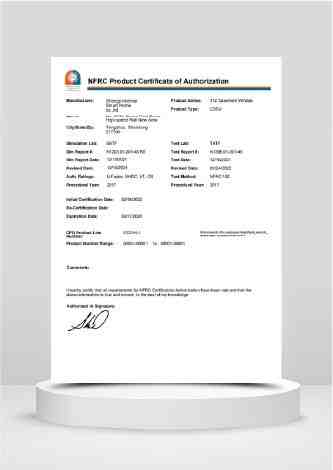
Thermal Performance Certification for Windows
OFFICIAL HONOR

Thermal Performance Certification for Windows

NFRC authorized certification for 112 casement window, ratings: U-Factor, SHGC, VT, CR

View All Honors →
Product Support

Frequently Asked Questions

What is the difference between solid wood, engineered wood and WPC interior doors?

Solid wood doors use natural timber (oak, ash, walnut) and give the richest grain, but they move most with humidity. Engineered doors bond a stable core (LVL, finger-joint or solid-core board) with veneer or laminate, so they resist warping far better. WPC (wood-plastic composite) is fully waterproof, termite-proof and needs almost no maintenance, which is why it now dominates bathrooms, kitchens and tropical projects.

Do solid wood doors warp or swell in humid tropical climates?

Any timber absorbs moisture, so a door can cup, swell or bind when indoor relative humidity swings. The risk is controlled three ways: kiln-drying to 8–12% moisture content, balanced construction (equal veneer or laminate on both faces, engineered core), and complete six-sided sealing. For coastal and tropical projects we recommend engineered or WPC cores, or solid wood with full edge sealing and a stable 40–60% indoor RH.

What is a solid core door, and is it worth the extra cost?

A solid core door replaces the hollow honeycomb cavity with a dense engineered core, so it weighs far more, blocks noticeably more sound, resists dents and closes with a substantial feel. For bedrooms, bathrooms and home offices the upgrade usually pays back in comfort and resale appeal. For closets, pantries and low-traffic storage, a hollow core remains a sensible saving.

Hollow core or solid core: which should I choose for a bedroom?

Choose solid core. A hollow core door is light and cheap but transmits conversation almost unchanged, while a solid core door typically adds meaningful sound reduction and privacy. If the room is a nursery, home office or shares a wall with a living area, solid core plus a perimeter seal and a drop-down door bottom is the standard recommendation.