


Grey-Brown WPC Door - G014


Details
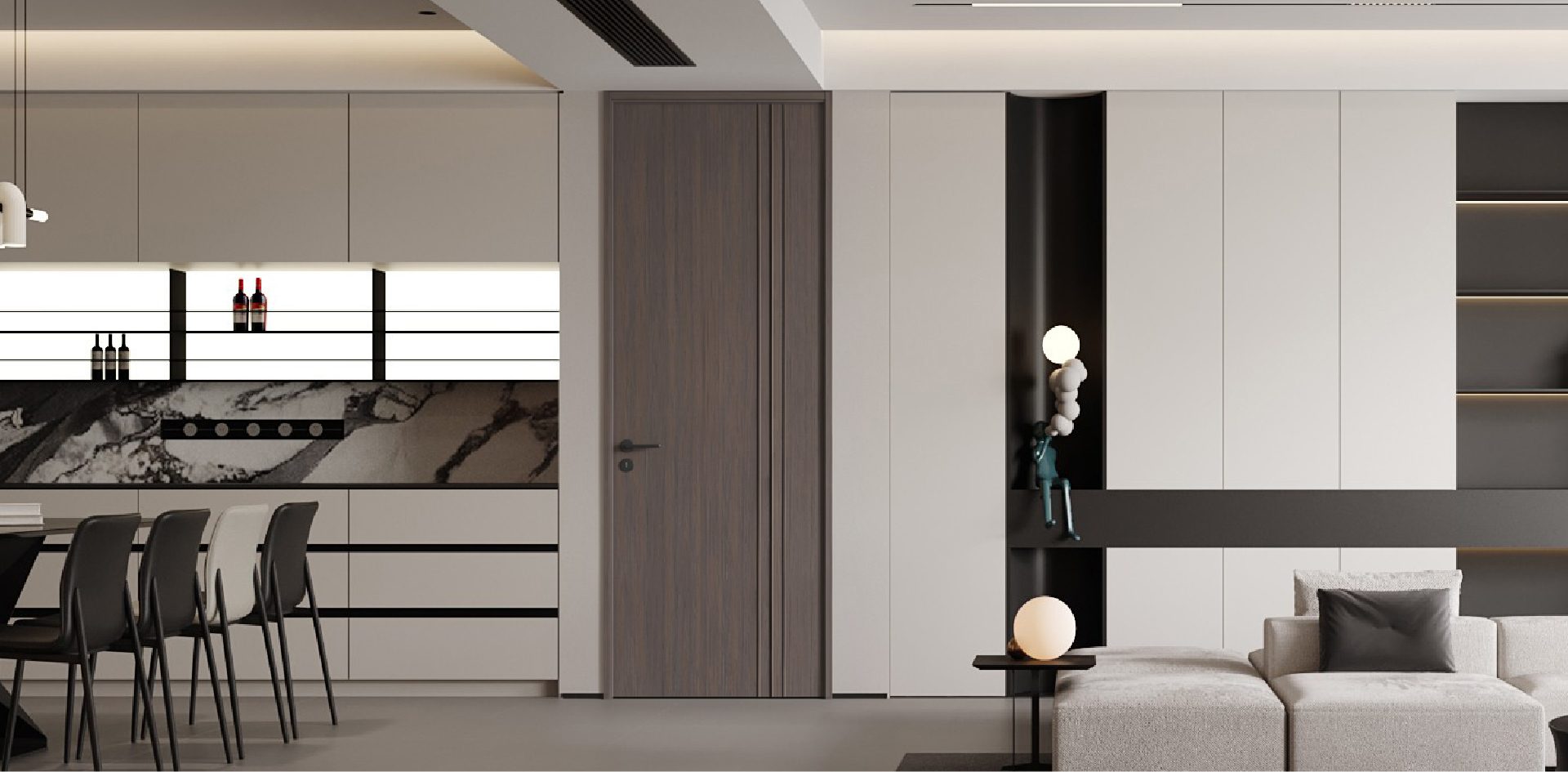
SUPERUS coordinates custom doors, wall panels and cabinetry within one spatial language.
Product combinations, finishes, dimensions and functional requirements are confirmed according to each project.
Key Features:
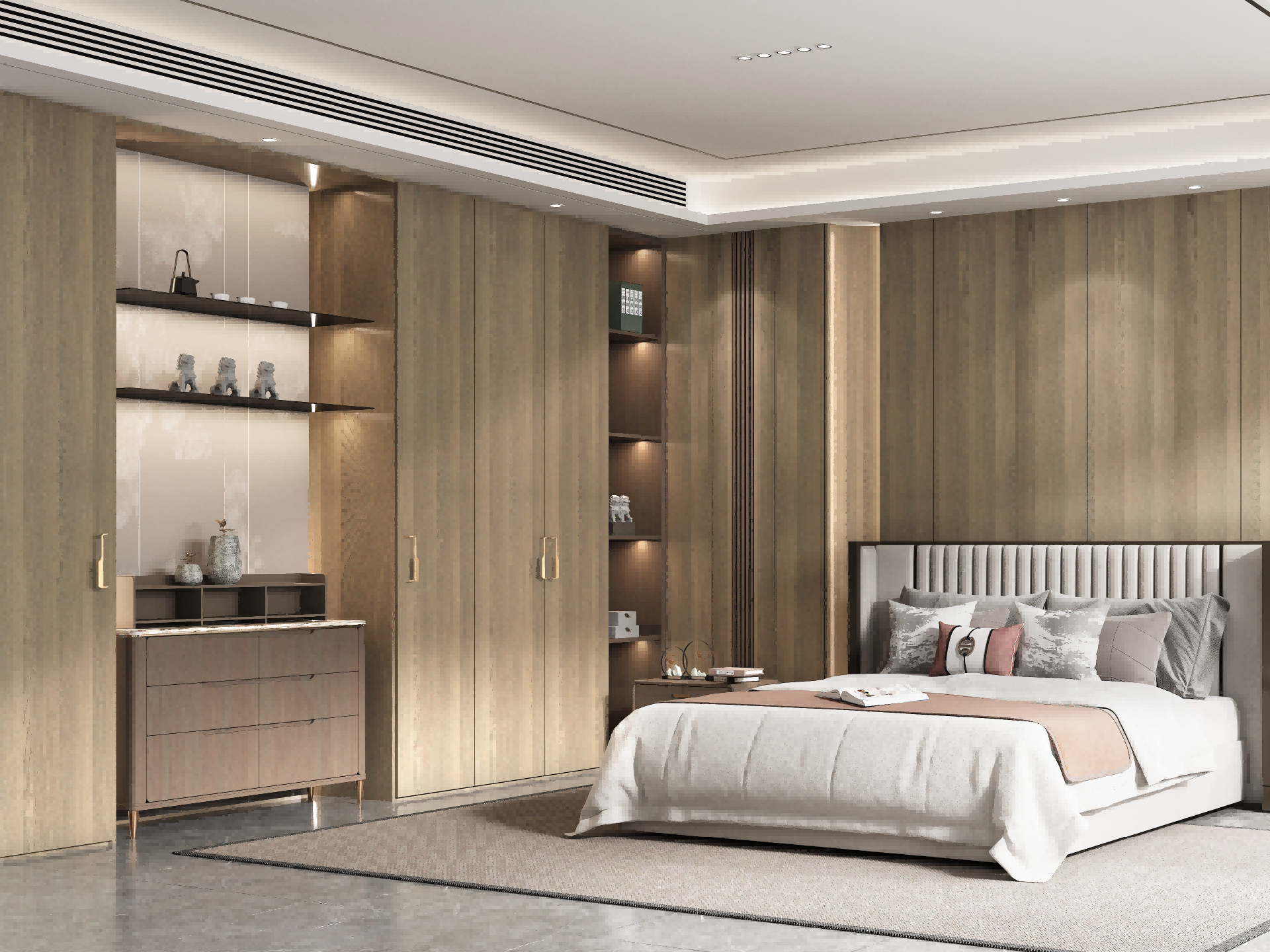
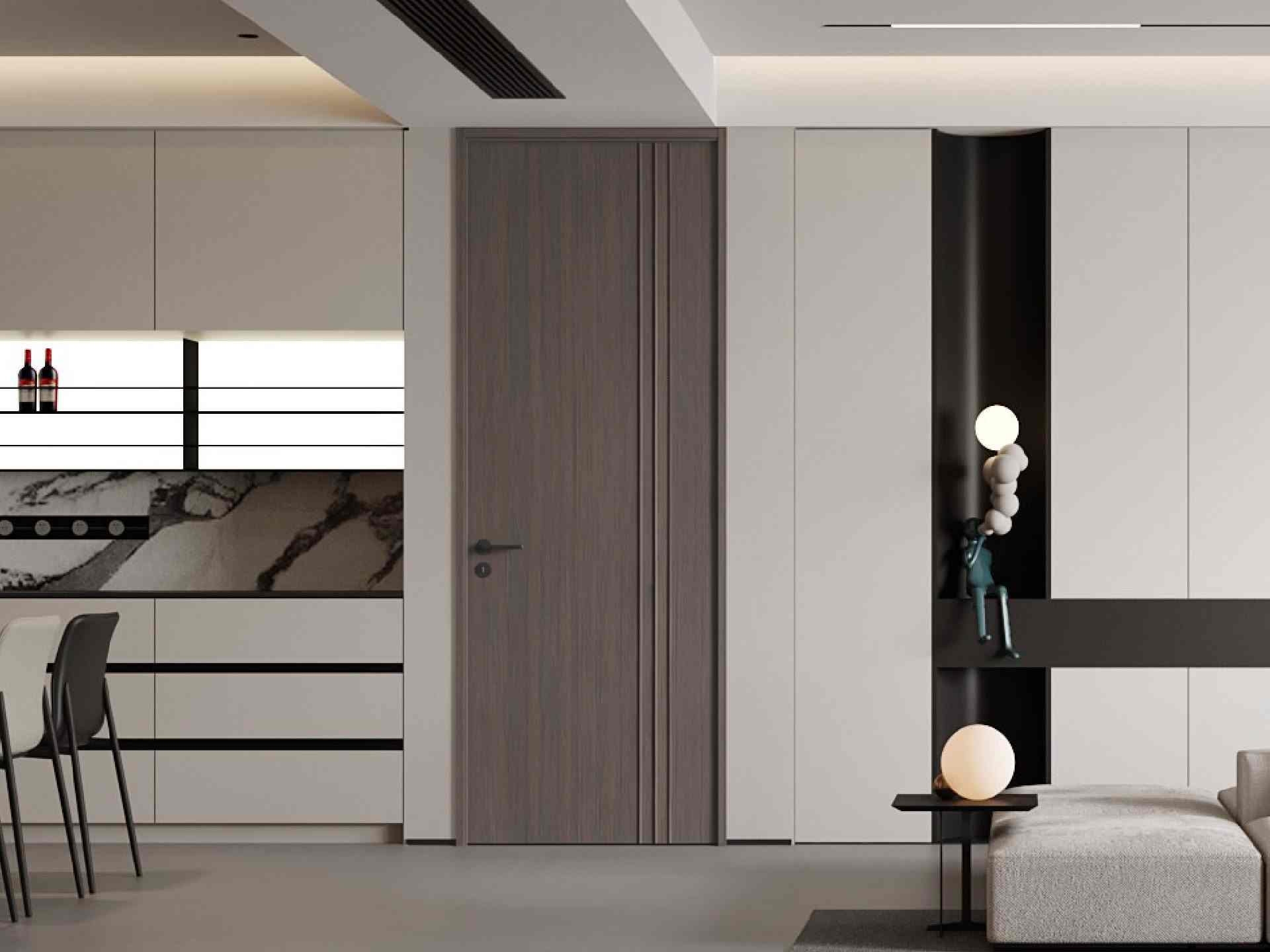
Covered in a grey-brown straight grain, fine and vertical, between grey and warm tan. The left half is a flat panel, the right half vertical slats, solid and open side by side; a matte-black split lever sits on the flat side. The feel is the restraint of a large modern apartment.
Extruded in one pass from wood flour and plant fibre with PVC resin, the colour runs through a homogeneous body with no surface veneer. This WPC wood-plastic composite is waterproof and moisture-proof, termite-proof, mould-resistant and warp-resistant, holding no cellulose insects feed on, suiting kitchens, bathrooms, balconies and humid climates. B1-class flame-retardant and self-extinguishing, it is paint-free, E1-compliant, low formaldehyde, low VOC, and recyclable.
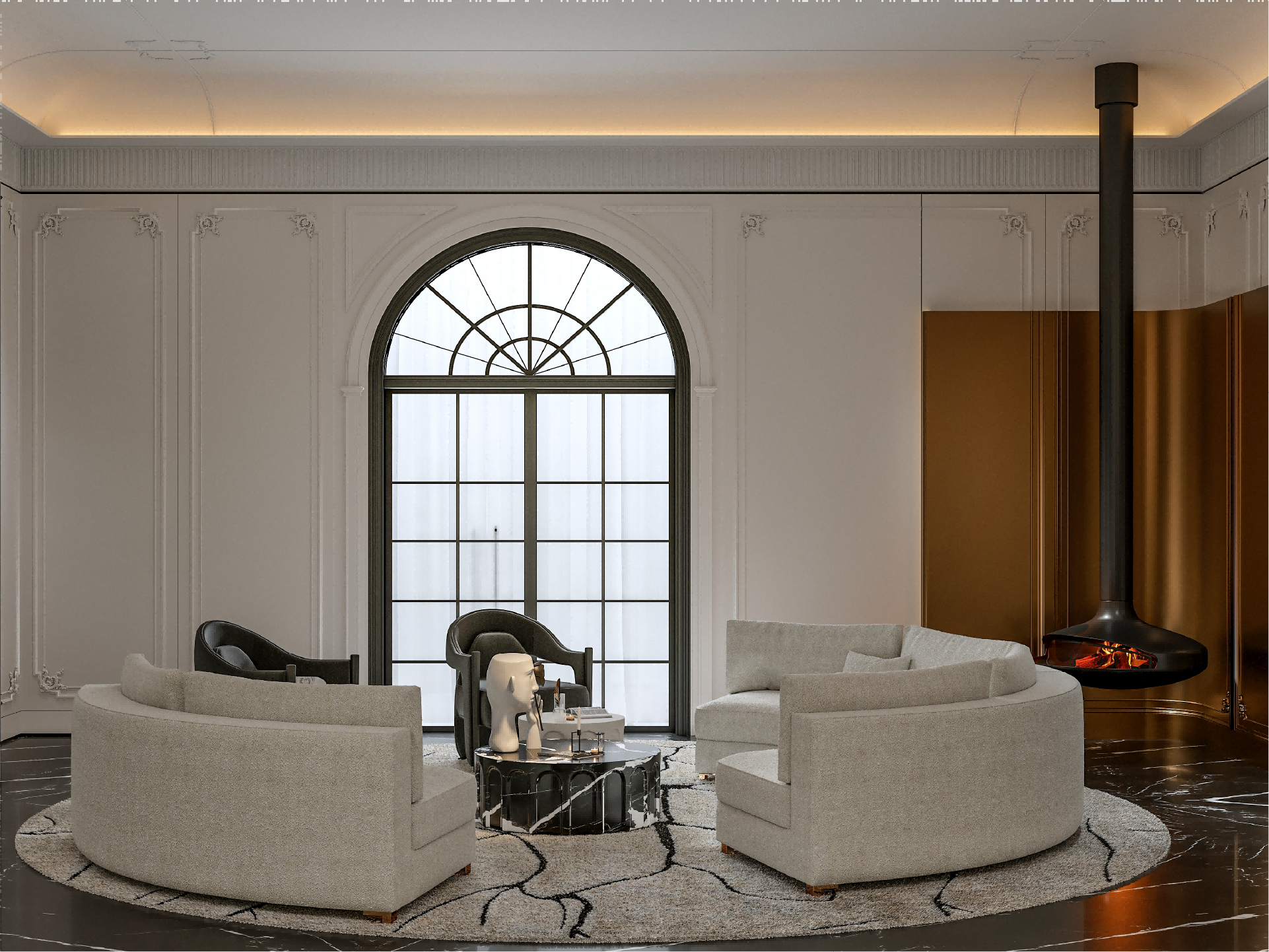
In a large modern living space, the grey-brown grain plays against grey-white joinery and a black coffee table, and the slats cast fine shadows, so moving through orders the room. A damp cloth wipes it clean, it refuses to warp through humid spells, and pairs with off-white walls and low sofas.
Frequently Asked Questions
What is the difference between solid wood, engineered wood and WPC interior doors?
Solid wood doors use natural timber (oak, ash, walnut) and give the richest grain, but they move most with humidity. Engineered doors bond a stable core (LVL, finger-joint or solid-core board) with veneer or laminate, so they resist warping far better. WPC (wood-plastic composite) is fully waterproof, termite-proof and needs almost no maintenance, which is why it now dominates bathrooms, kitchens and tropical projects.
Do solid wood doors warp or swell in humid tropical climates?
Any timber absorbs moisture, so a door can cup, swell or bind when indoor relative humidity swings. The risk is controlled three ways: kiln-drying to 8–12% moisture content, balanced construction (equal veneer or laminate on both faces, engineered core), and complete six-sided sealing. For coastal and tropical projects we recommend engineered or WPC cores, or solid wood with full edge sealing and a stable 40–60% indoor RH.
What is a solid core door, and is it worth the extra cost?
A solid core door replaces the hollow honeycomb cavity with a dense engineered core, so it weighs far more, blocks noticeably more sound, resists dents and closes with a substantial feel. For bedrooms, bathrooms and home offices the upgrade usually pays back in comfort and resale appeal. For closets, pantries and low-traffic storage, a hollow core remains a sensible saving.
Hollow core or solid core: which should I choose for a bedroom?
Choose solid core. A hollow core door is light and cheap but transmits conversation almost unchanged, while a solid core door typically adds meaningful sound reduction and privacy. If the room is a nursery, home office or shares a wall with a living area, solid core plus a perimeter seal and a drop-down door bottom is the standard recommendation.


 Facebook
 Twitter
 LinkedIn
