


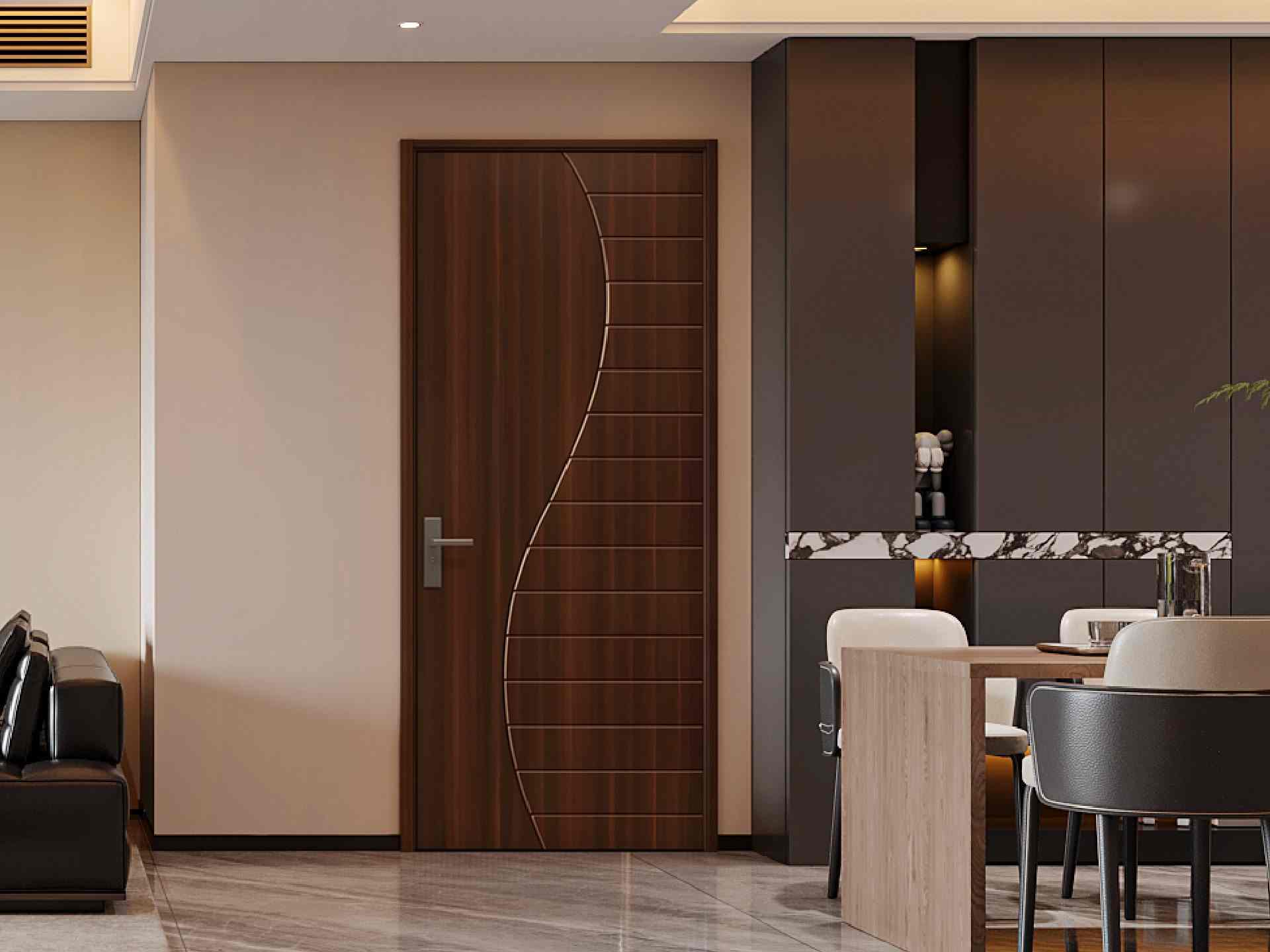
Cửa WPC sâu - G005


Chi tiết
SUPERUS tọa độ cửa ra vào tùy chỉnh, tường và nội các trong một ngôn ngữ không gian.
Các tổ hợp sản phẩm, hoàn tất, kích thước và yêu cầu chức năng được xác nhận theo mỗi dự án.
Đặc điểm nổi bật:
Nằm trên nền của hạt óc chó nâu, thẳng đứng và vững vàng. Một vòng cung mịn quét xuống từ phía trên bên phải, giống như một nét cọ mềm trên các hạt; một đòn bẩy bạc tách sang một bên. Cảm giác hiện đại với một chút nghệ thuật yên tĩnh.
Trong một lần đi qua, bột bằng gỗ và sợi thực vật với nhựa PVC, màu này đi qua một cơ thể đồng tính không có bề mặt bề mặt. Sự tổng hợp hóa gỗ này là chống thấm nước và chống ẩm, chống nhiễm độc, chống dịch chuyển và chống siêu tốc, không cho côn trùng ăn, nhà bếp, phòng tắm, ban công và khí hậu ẩm ướt. B1- nó không sơn, E1- Phức tạp, ít hình thức, ít VOC, và tái sử dụng.
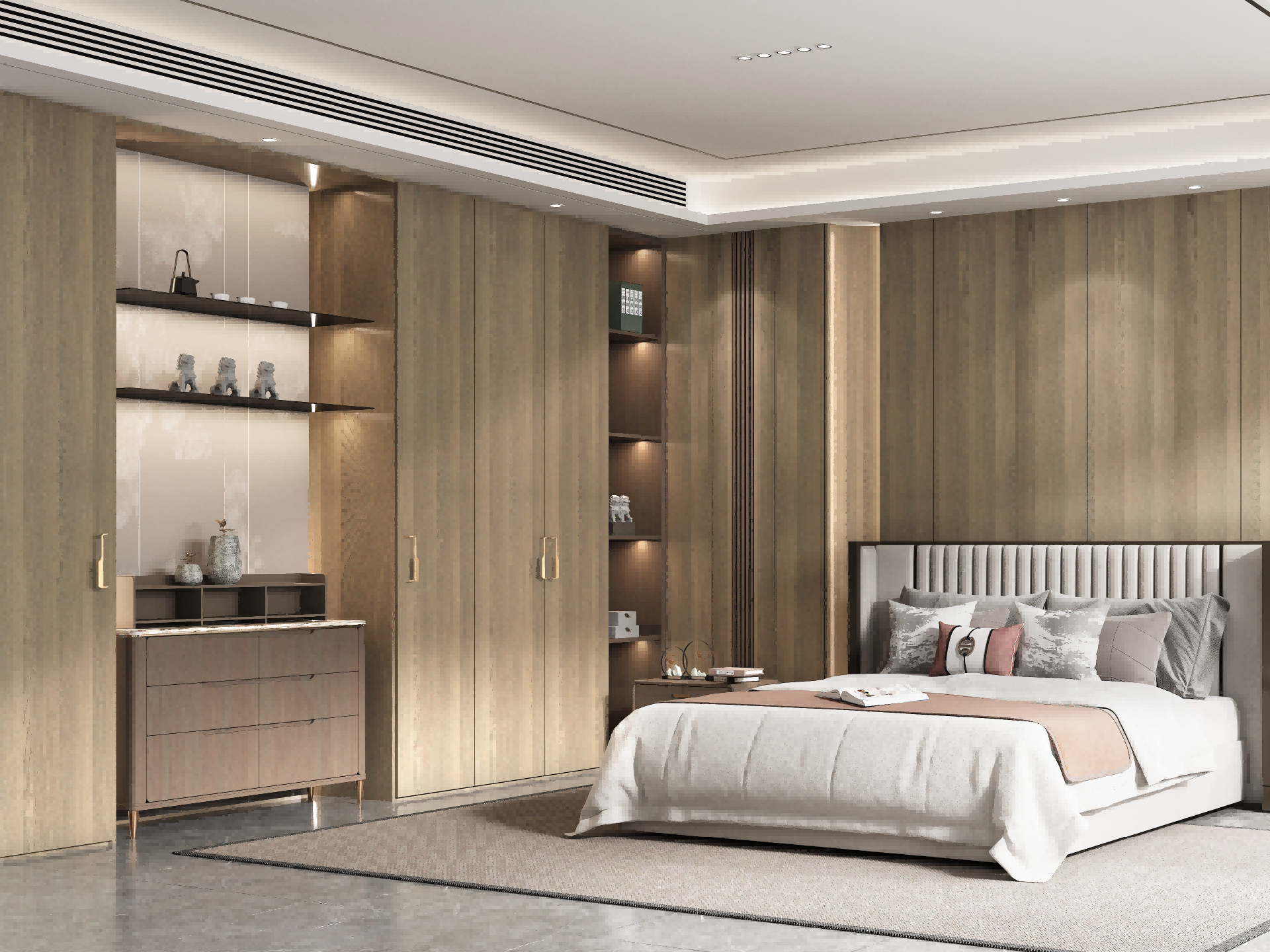
Trong một phòng khách tối tăm, lặng lẽ sang trọng hoặc nghiên cứu, hạt óc chó phản chiếu da đen và chải kim loại, và cung xuất hiện và mờ dần dưới ánh sáng phụ, vì vậy vào mang nghi lễ. Một tấm vải ẩm ướt lau sạch sẽ, nó không chịu uốn nắn trong thời tiết ẩm ướt, và hai đôi với gỗ sồi đen và thủy tinh khói.
Những câu hỏi thường xuyên
What is the difference between solid wood, engineered wood and WPC interior doors?
Solid wood doors use natural timber (oak, ash, walnut) and give the richest grain, but they move most with humidity. Engineered doors bond a stable core (LVL, finger-joint or solid-core board) with veneer or laminate, so they resist warping far better. WPC (wood-plastic composite) is fully waterproof, termite-proof and needs almost no maintenance, which is why it now dominates bathrooms, kitchens and tropical projects.
Do solid wood doors warp or swell in humid tropical climates?
Any timber absorbs moisture, so a door can cup, swell or bind when indoor relative humidity swings. The risk is controlled three ways: kiln-drying to 8–12% moisture content, balanced construction (equal veneer or laminate on both faces, engineered core), and complete six-sided sealing. For coastal and tropical projects we recommend engineered or WPC cores, or solid wood with full edge sealing and a stable 40–60% indoor RH.
What is a solid core door, and is it worth the extra cost?
A solid core door replaces the hollow honeycomb cavity with a dense engineered core, so it weighs far more, blocks noticeably more sound, resists dents and closes with a substantial feel. For bedrooms, bathrooms and home offices the upgrade usually pays back in comfort and resale appeal. For closets, pantries and low-traffic storage, a hollow core remains a sensible saving.
Hollow core or solid core: which should I choose for a bedroom?
Choose solid core. A hollow core door is light and cheap but transmits conversation almost unchanged, while a solid core door typically adds meaningful sound reduction and privacy. If the room is a nursery, home office or shares a wall with a living area, solid core plus a perimeter seal and a drop-down door bottom is the standard recommendation.


 Facebook
 Twitter
 Liên kết vào
