

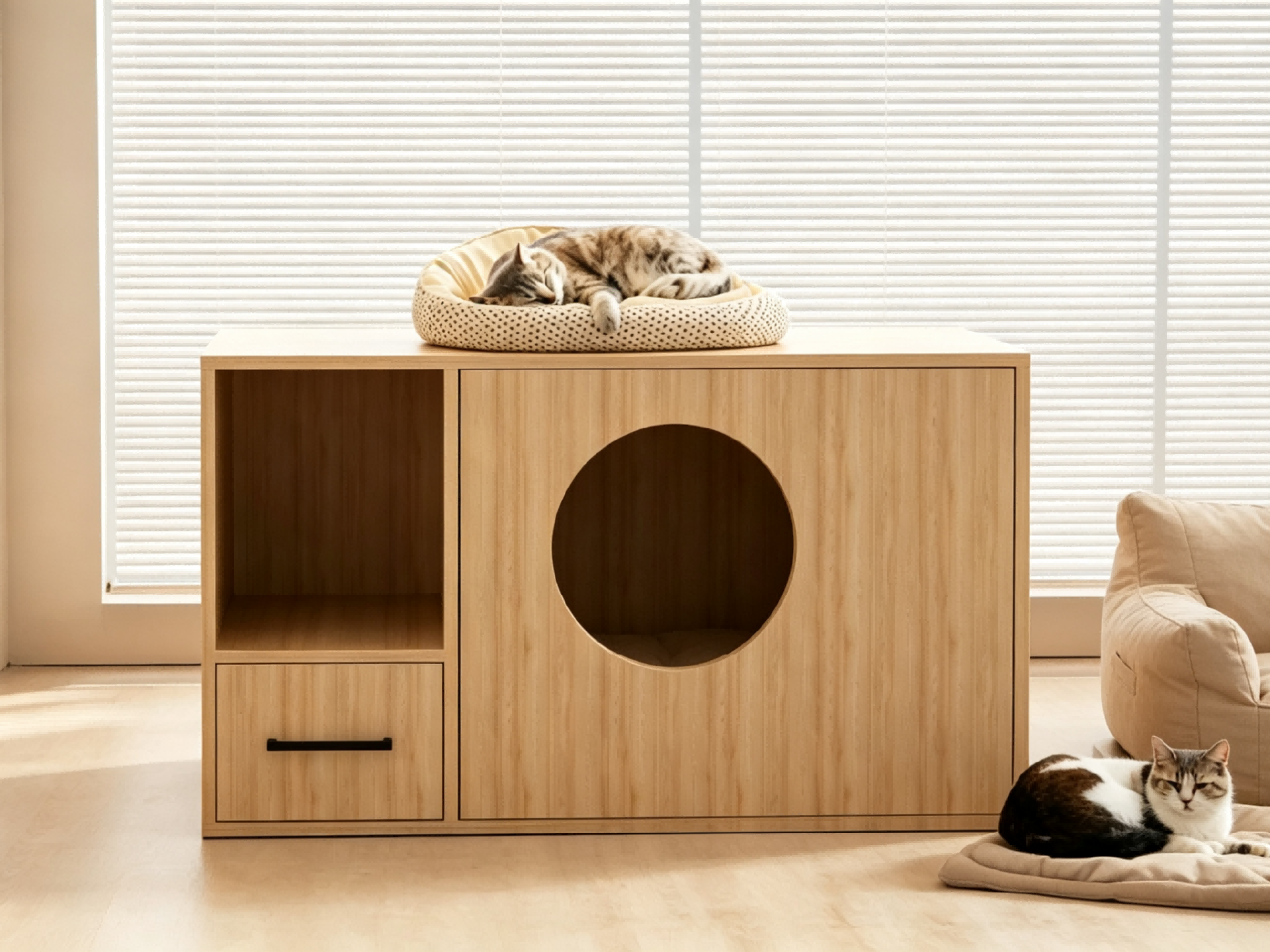

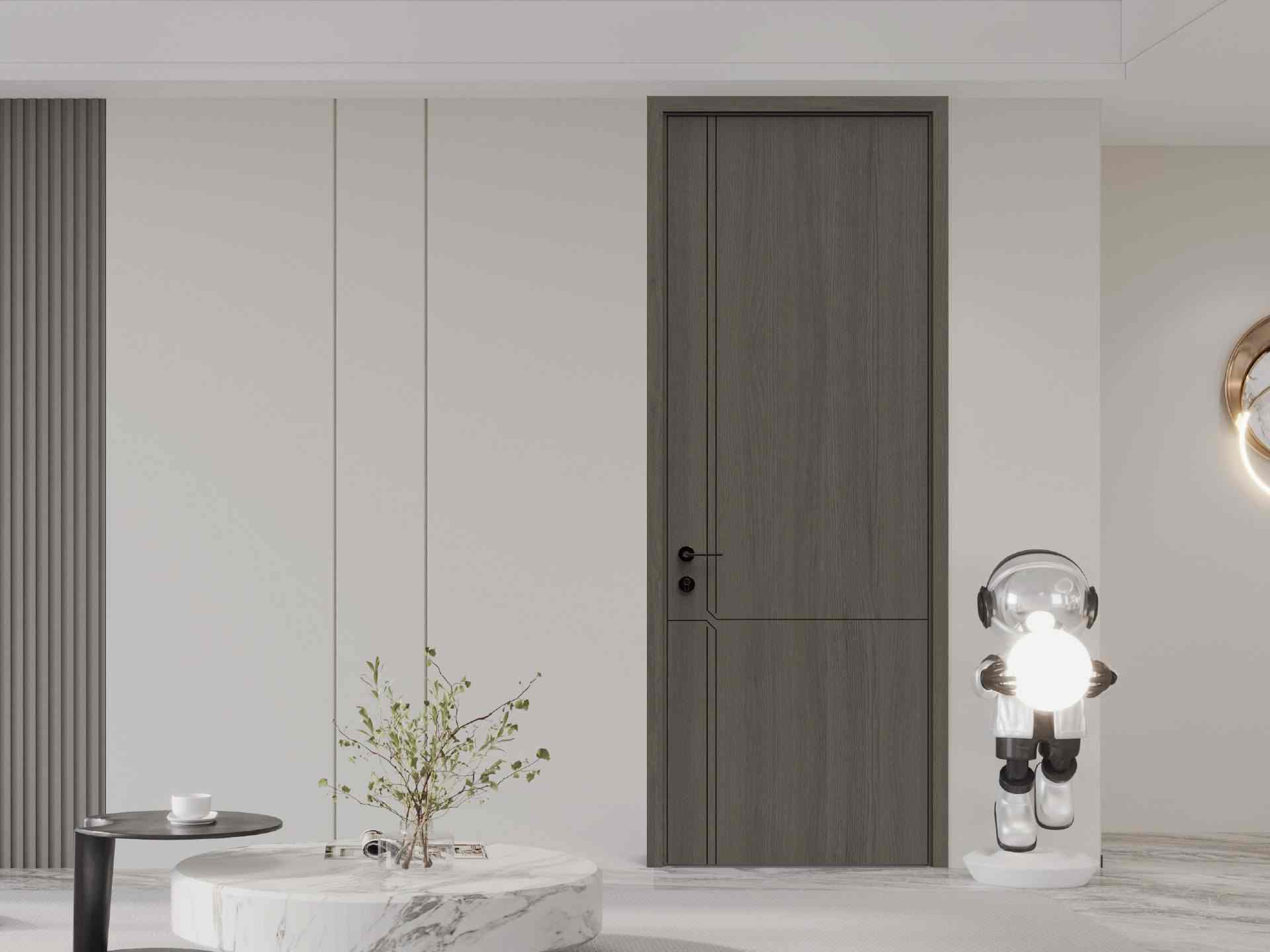
Benutzerdefinierte moderne dunkle Eichenkorn Melamin Innentür mit geometrischem Liniendesign, Wandplatte für den Wohngebrauch integriert - MF-2008A


Einzelheiten
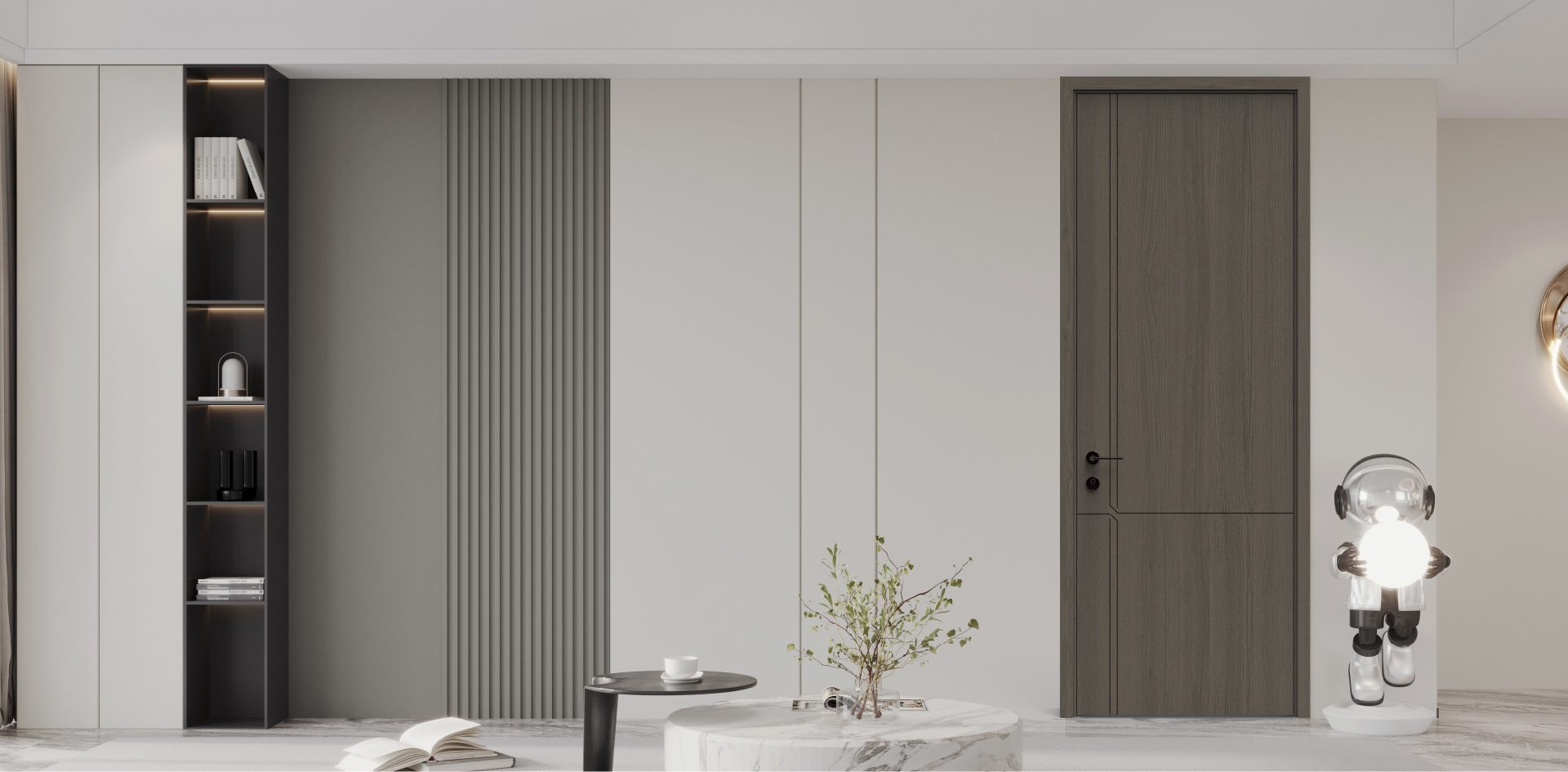
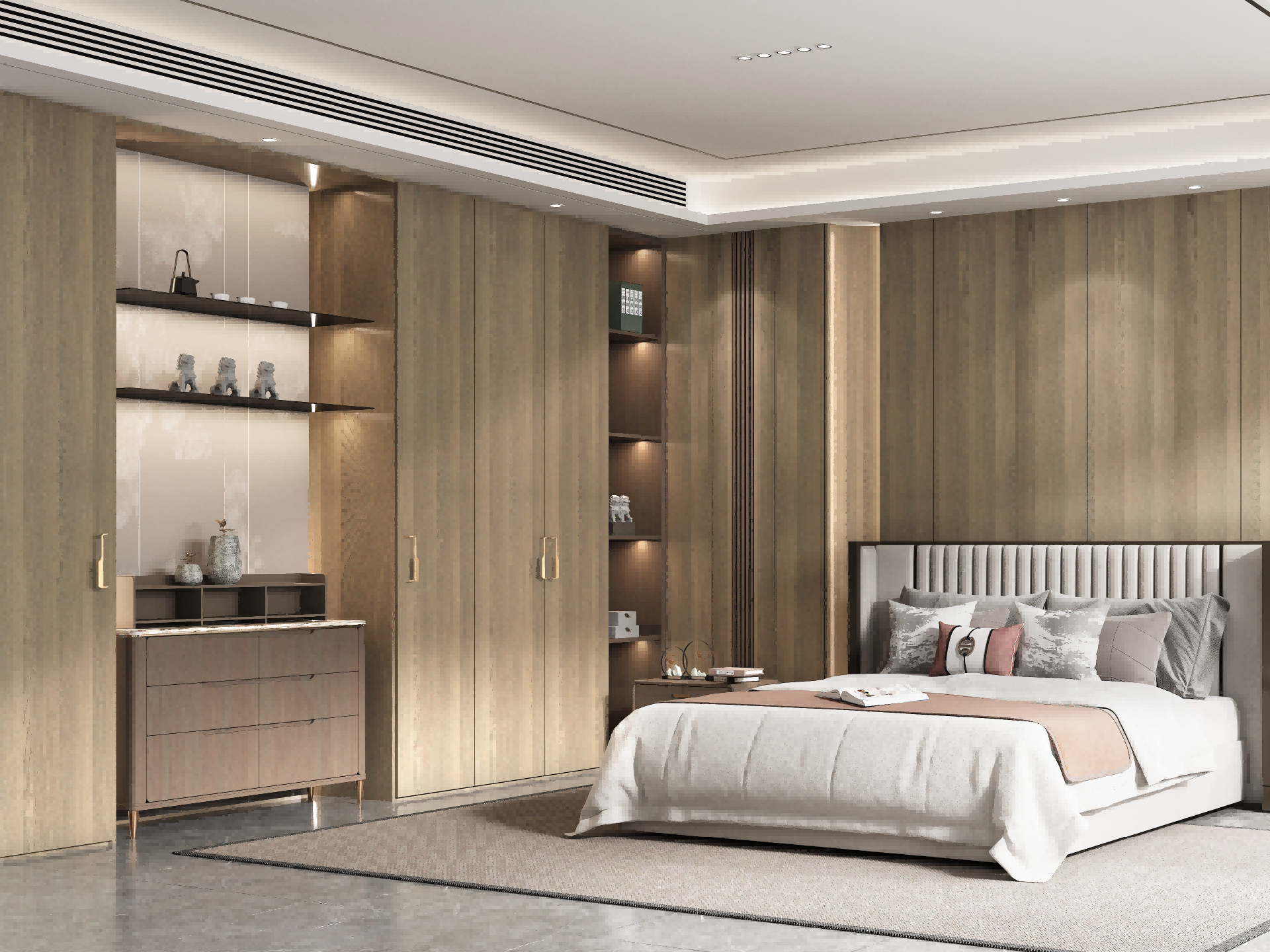
SUPERUS koordiniert kundenspezifische türen, wandverkleidungen und schränke innerhalb einer raumsprache.
Produktkombinationen, Oberflächen, Abmessungen und funktionale Anforderungen werden je nach Projekt bestätigt.
Wesentliche Merkmale:
Ein dunkles graues Walnusskorn läuft dicht über das Blatt, der Ton ruhig. Eine schlanke vertikale Nut ist links angebracht und schließt am Fuß mit einer horizontalen Linie, deren untere linke Ecke in eine scharfe Diagonale klappt. Ein matt-schwarzer geteilter Hebel sitzt auf einer Seite, gegen das dunkle Korn gesetzt. Der Look ist moderner Minimalismus mit italienischer Zurückhaltung.
Auf einem Kern aus Holzverbundwerkstoff wird mit Melaminharz imprägniertes Papier in einem Hochtemperatur-Hochdruckzyklus duroplastisiert, dauerhaft gebunden und vollständig lackfrei. Das Gesicht ist hart und dicht, widersteht Kratzern, Hitze, Flecken und Fingerabdrücken und wischt sauber auf einem feuchten Tuch. Korn reproduziert sich natürlich, abgestimmt auf Chargen. Es wird nicht schälen, heben, verziehen oder Riss, und ist E1-konform, niedriges Formaldehyd, niedrige VOC, einsatzbereit.
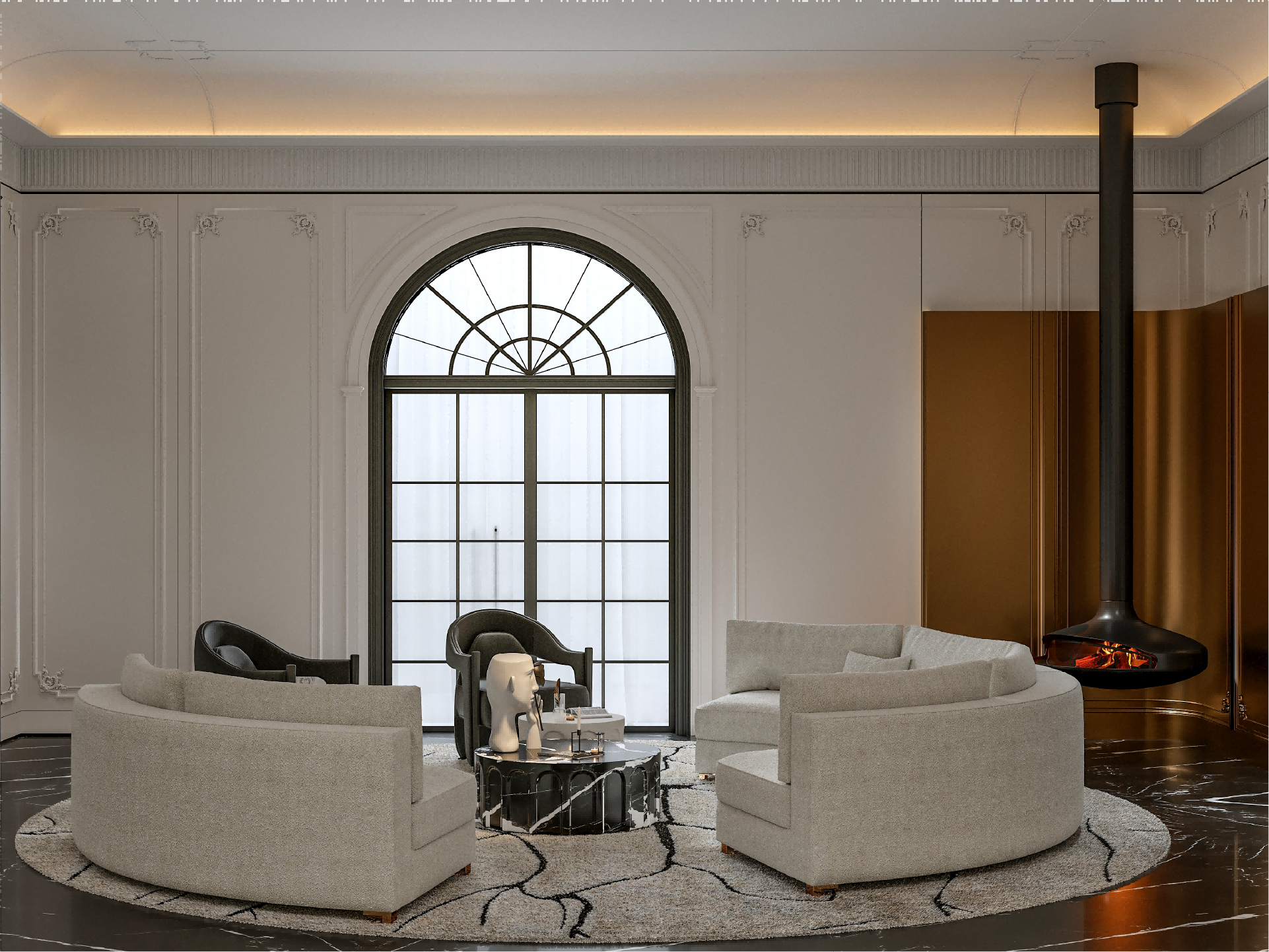
In einem Wohnzimmer, begehbare Garderobe oder Studie es setzt sich in den Hintergrund; als Licht über das dunkle Korn fällt der Raum fühlt sich zurückhaltend und taktil. Care ist ein Feuchttuchwischtuch, das scharfe Gegenstände fernhält. Es paart sich mit warmen Metallen, Beton und tiefen Polsterungen.
Häufig gestellte Fragen
What is the difference between solid wood, engineered wood and WPC interior doors?
Solid wood doors use natural timber (oak, ash, walnut) and give the richest grain, but they move most with humidity. Engineered doors bond a stable core (LVL, finger-joint or solid-core board) with veneer or laminate, so they resist warping far better. WPC (wood-plastic composite) is fully waterproof, termite-proof and needs almost no maintenance, which is why it now dominates bathrooms, kitchens and tropical projects.
Do solid wood doors warp or swell in humid tropical climates?
Any timber absorbs moisture, so a door can cup, swell or bind when indoor relative humidity swings. The risk is controlled three ways: kiln-drying to 8–12% moisture content, balanced construction (equal veneer or laminate on both faces, engineered core), and complete six-sided sealing. For coastal and tropical projects we recommend engineered or WPC cores, or solid wood with full edge sealing and a stable 40–60% indoor RH.
What is a solid core door, and is it worth the extra cost?
A solid core door replaces the hollow honeycomb cavity with a dense engineered core, so it weighs far more, blocks noticeably more sound, resists dents and closes with a substantial feel. For bedrooms, bathrooms and home offices the upgrade usually pays back in comfort and resale appeal. For closets, pantries and low-traffic storage, a hollow core remains a sensible saving.
Hollow core or solid core: which should I choose for a bedroom?
Choose solid core. A hollow core door is light and cheap but transmits conversation almost unchanged, while a solid core door typically adds meaningful sound reduction and privacy. If the room is a nursery, home office or shares a wall with a living area, solid core plus a perimeter seal and a drop-down door bottom is the standard recommendation.


 Facebook
 Twitter
 LinkedIn
